

Description
About the Series
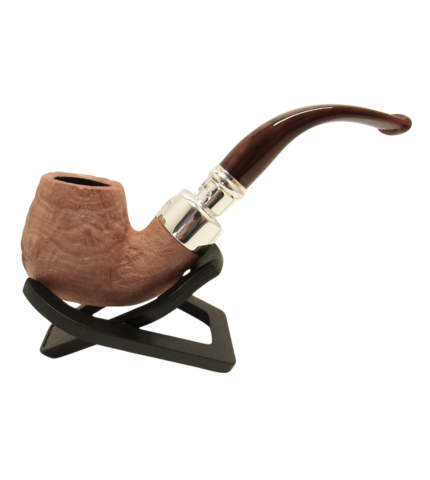
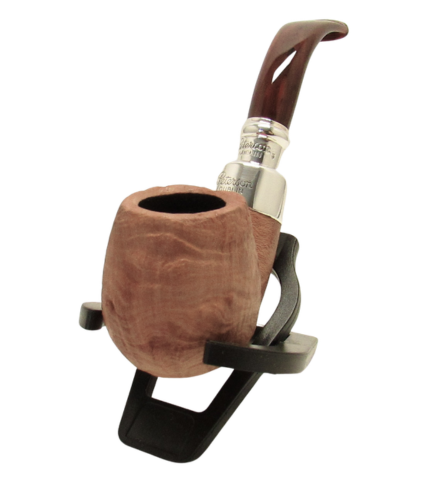
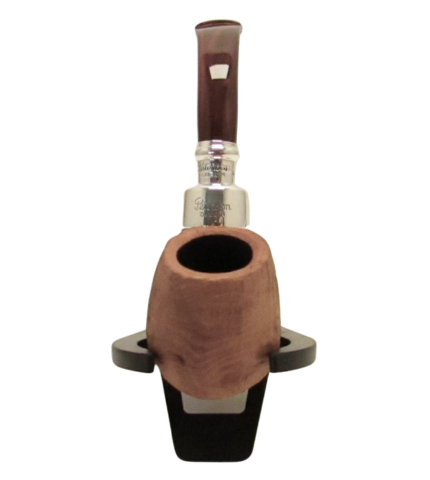
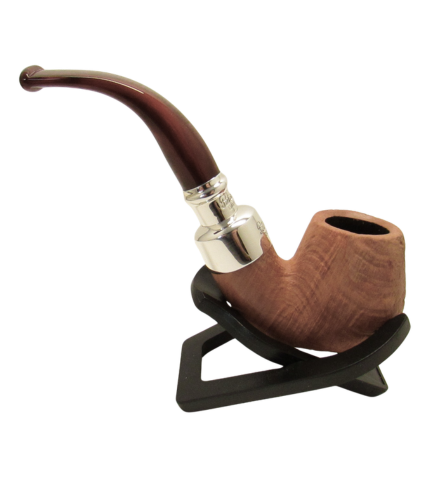
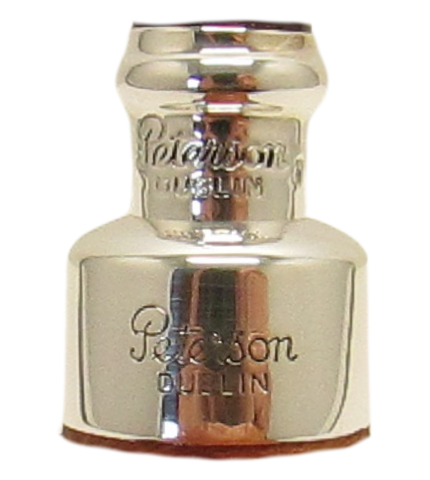
Like any other wood or organic material, briar often presents a certain degree of colour variation and natural flaws. For their new Barley Spigot line, however, Peterson wanted to showcase the natural colour and texture of virgin, sandblasted briar with as few of these natural imperfections as possible. All the bowls for this series were hand-selected at the factory for their cleanliness and consistency, resulting in a true sandblast that reveals the wood's natural patterns in crisp relief without any additional staining. Given their virgin finishes, these pipes will continue to darken and patinate over time, and are further elevated by Peterson's handcrafted sterling silver bubble spigots.
About the Shape
This bent Billiard shape incorporates all the major design cues of Peterson's signature House Style, complete with a proportionally muscular shank and transition, but in a much smaller, compact package. A versatile pocket pipe to suit any taste. Note: Tobacco pipe stands used in the pictures are for photography purposes only and are not included.
| Length | 132mm |
| Weight | 42g |
| Bowl Height | 43mm |
| Bowl Width | 36mm |
| Chamber Depth | 34mm |
| Chamber Width | 17mm |
| Stem Material | Acrylic |
| Filter | None |
| Shape | Bent Billiard |
| Finish | Sandblast |
| Material | Briar |
About the Range
Representing the pinnacle of Peterson's regular production, their High Grade designation is reserved for only the very best pipes to leave the factory. Each pipe in this range is distinguished by its plentiful grain, either smooth or sandblasted, and expert metal fitments, shaped and applied by the hands of Peterson's most experienced craftsmen. Their silversmiths are among the most talented in the world, having undergone traditional five-to-eight-year apprenticeships under a senior craftsman; each smith has engineered his own mandrel, meaning that every metal fitment is imprinted with the subtle, personal style of the one who machined it.
About Peterson of Dublin
In 1874, just one year after receiving a prize medal for his efforts at the 1873 London International Exhibition, German émigré Frederick Kapp moved his pipe retail operation from London to Dublin, Ireland, where he opened a new tobacco and pipe shop, making and selling pipes crafted from meerschaum as well as briar root, a relatively new material to the market. Within a year, Frederick employed a young Latvian woodworker named Charles Peterson to help with production and repairs.
In 1890, after 15 years of handling and repairing multitudes of pipes, and thinking critically about how to improve their design, Peterson applied for and secured a patent in his own name, titled "A certain new and useful improvement in Tobacco-Pipes," introducing a unique system designed to wick moisture away from the smoke and deliver a fuller tobacco flavor – a design he would continue to improve over the next eight years. By 1896, after winning two gold medals at the International Tobacco Trades Exhibition in London for "Best Finished Pipe" and "Best Patent Pipe," Charles Peterson, together with Frederick's son Alfred Henry, had transformed the small pipe shop and smoking parlour into a budding international export factory, introducing the patented System pipe, as well as a host of other Classic designs, to the hands and minds of enthusiasts worldwide, where Kapp & Peterson has remained for generations.
As the oldest continuously operating briar pipe factory in the world, the pipe makers at Peterson have a certain tradition to uphold, a legacy of craftsmanship dating back over 150 years. Whether you're browsing for your very first pipe or are a seasoned collector in search of a rare gem, know that every pipe in their catalogue carries with it that same preservation of tradition. A Peterson pipe isn't just a utilitarian tool; it's a piece of history you can carry with you in your travels, a faithful companion to accompany you through all that life offers.