Description
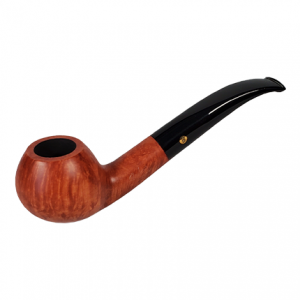
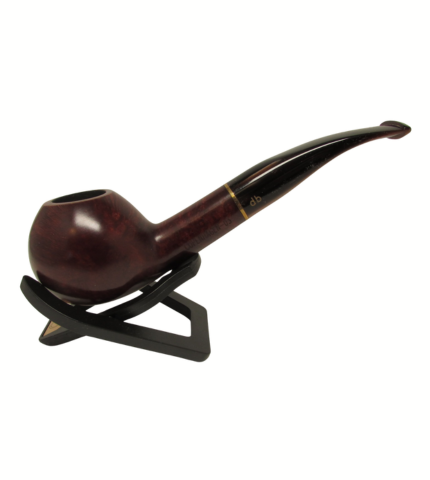
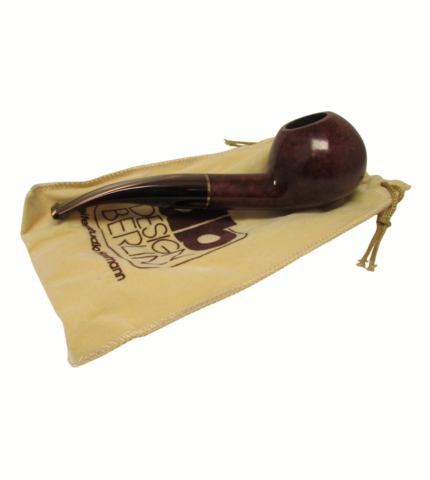
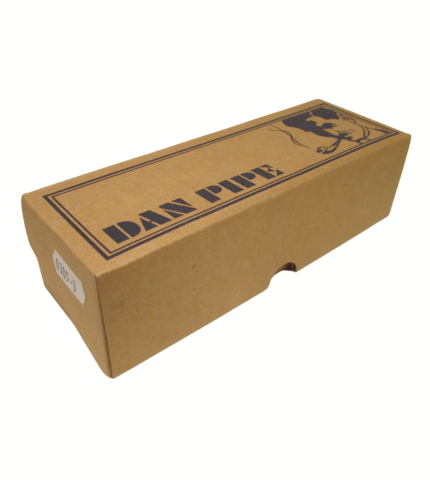
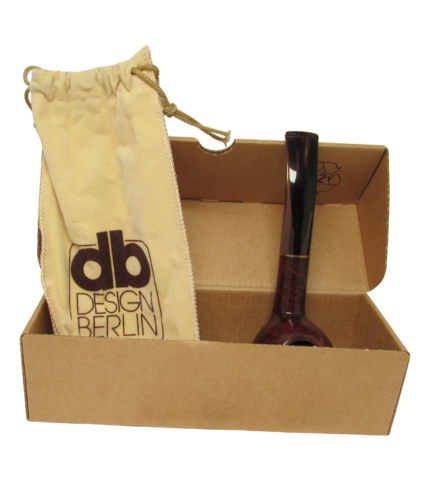
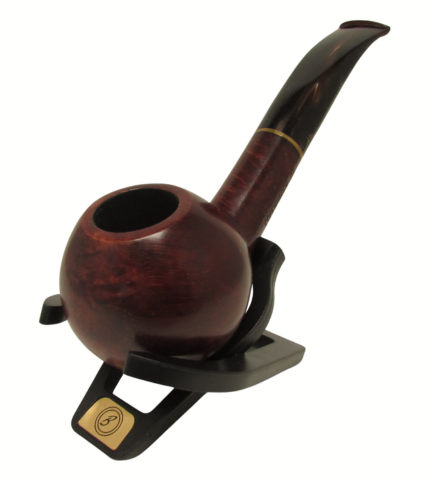
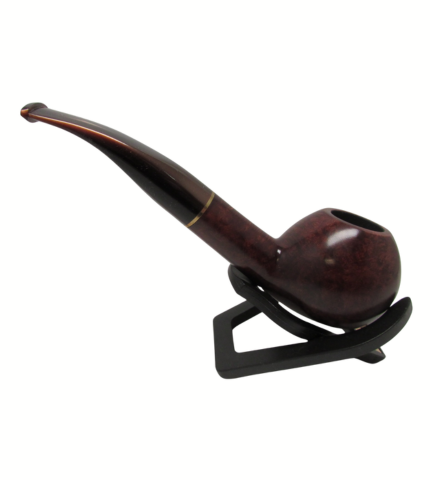
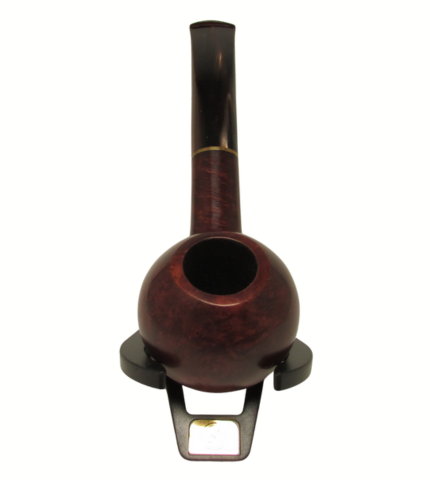
This pipe is a lovely tomato shape and the pipe has been finished to a smooth finish with a high gloss. The stem is a gorgeous dark acrylic with lighter coloured swirls. This pipe can accept a 9mm filter and 3 filters come with the pipe. The pipe ships in a cardboard box alond with a Design Berlin drawstring bag. This pipe has never been smoked and is in like-new condition. The bottom of the shank is stamped "Copenhagen 03" and "db" is engraved on the stem.
The pipe you see is the pipe you get. This pipe came to us from a private collection, and where necessary, has been expertly restored by a local craftsman. This pipe has not been previously smoked. Because it has been pre-owned, the price is drastically reduced compared to what this pipe would cost new (assuming that you could even find it). We stand behind these pipes; if you ever have an issue, return it to us for repair or refund. Note: Tobacco pipe stands used in the pictures are for photography purposes only and are not included.
| Bowl Height (Outside) | 1.68” / 43mm |
| Bowl Width (Outside) | 1.87” / 47mm |
| Pipe Length | 5.75” / 146mm |
| Chamber Depth | 1.33” / 34mm |
| Chamber Diameter | .76” / 19mm |
| Pipe Weight | 61g |
| Pipe Shape | Tomato |
| Stem Shape | Bent |
| Filter | 9mm / Balsawood |
| Shape Number | Copenhagen 03 |
| Bowl Material | Briar |
| Stem Material | Acrylic |
| Finish | Smooth |
| Country | Germany |
About Design Berlin
Design Berlin occupies a curious and resilient corner of the European pipe world: neither an artisan-only atelier nor a mass-market conglomerate, it is a brand that grew from post-war thrift into a respected name for well-made, characterful briar pipes appreciated by smokers and collectors alike. Its story — and the wider craft scene in and around Berlin — illustrates how German pragmatism, mid-century design tastes and regional pipe-making traditions combined to produce pipes with a distinct, recognizable personality.
In 1948, shortly after the Second World War, Hubert Hartmann applied for and was granted permission from the Allies to open a pipe factory. Soon after, Pfeifenstudio Hartmann opened its doors as the first pipe factory to open in post-war Germany.
Initially, the factory concentrated on cheaper, nylon-stemmed pipes and slowly built up the experienced staff needed to move into higher quality market. It all changed in 1954 when Lothar Schirwitz joined the company, who brought a love for more modern Danish and Italian styles. By the 1960s Lothar had become the factory head and took over the designing of what would become Design Berlin’s pipes in 1975.
What sets Design Berlin pipes apart in the workshop and in the hand is a combination of factory consistency and attention to finishing. Typical contemporary DB pipes ship with acrylic mouthpieces and a 9-mm filter bore, and are offered in a range of surface treatments — smooth stains, glossy lacquers, sandblasts and heavy rustications — so the same shape can carry very different visual personalities. Special and limited editions (from “Holger Danske” themed runs to annual collector pieces) add a collectible dimension that keeps enthusiasts watching secondary markets and speciality shops.
Berlin’s pipe-making scene extends beyond a single brand. While Design Berlin provides an industrially consistent product line with design flair, Germany as a whole — and the greater Berlin area in particular — hosts a lively mixture of small artisans, independent workshop makers and historic factories. Makers range from small-batch artisans who hand-shape every bowl to larger producers who combine machine work with hand finishing. The result is a marketplace that values both the handcrafted and the thoughtfully designed, giving smokers plenty of choice depending on whether they prize individuality, economy, or a blend of both.
For collectors and new smokers alike the practical advantages of Design Berlin are clear: accessible price points for sound briar, a predictable set of shapes and filter systems that suit modern prefabricated components, and a design language that reads as reliably German — restrained, well-made, and suited to everyday use. That accessibility has made DB a staple in European tobacconists and online shops; it also explains why estates and second-hand markets regularly feature DB models alongside rarer artisan pieces.
Looking forward, Design Berlin and its contemporaries occupy an interesting middle ground. Craft pipemaking continues to enjoy renewed interest among younger makers and hobbyists, many of whom share photos and process videos online; at the same time, brands like DB remain relevant because they deliver consistent quality with a recognizable design DNA. For anyone exploring German pipes, the journey should include both: try a Design Berlin for a dependable, design-forward daily pipe, and then seek out independent Berlin-area makers and small European artisans for bespoke shapes and experimental finishes that push the craft’s boundaries.
Whether you’re a collector cataloguing annual limited runs or a smoker looking for a comfortable, well-finished briar, Design Berlin represents an accessible entry point into a broader, richly textured German pipe tradition — one that balances industrial craftsmanship and thoughtful design in a manner that feels distinctly of its place and time.
To this day, Design Berlin is one of Germany’s most prestigious pipe makers, with each pipe inheriting the factory’s distinct look and feel.